Have you ever noticed your allergies flaring up more at home than anywhere else?
It might not be the season or the air outside; it could be right beneath your feet. Carpets are one of the most overlooked sources of allergens in any home, quietly harbouring dust mites, pet dander, mould spores, and pollen deep within their fibres.
At MagicDry, we see firsthand how much of a difference a thorough professional clean can make to both the look of a home and the health of the people living in it.
Why Carpets Are a Hidden Hotspot for Allergens
Most people think of carpets as a soft, comfortable flooring choice, and they are. But that same softness and texture that makes them so appealing underfoot also makes them incredibly efficient at trapping particles that you really do not want hanging around in your home.
Unlike hard flooring surfaces such as tiles or timber, carpet fibres create a dense, layered environment that catches and holds onto microscopic particles. Dust, dead skin cells, pet hair, pollen tracked in from outside, mould spores, and bacteria all find their way into your carpet through everyday living. Once they are in there, they tend to stay, at least until something disturbs them.
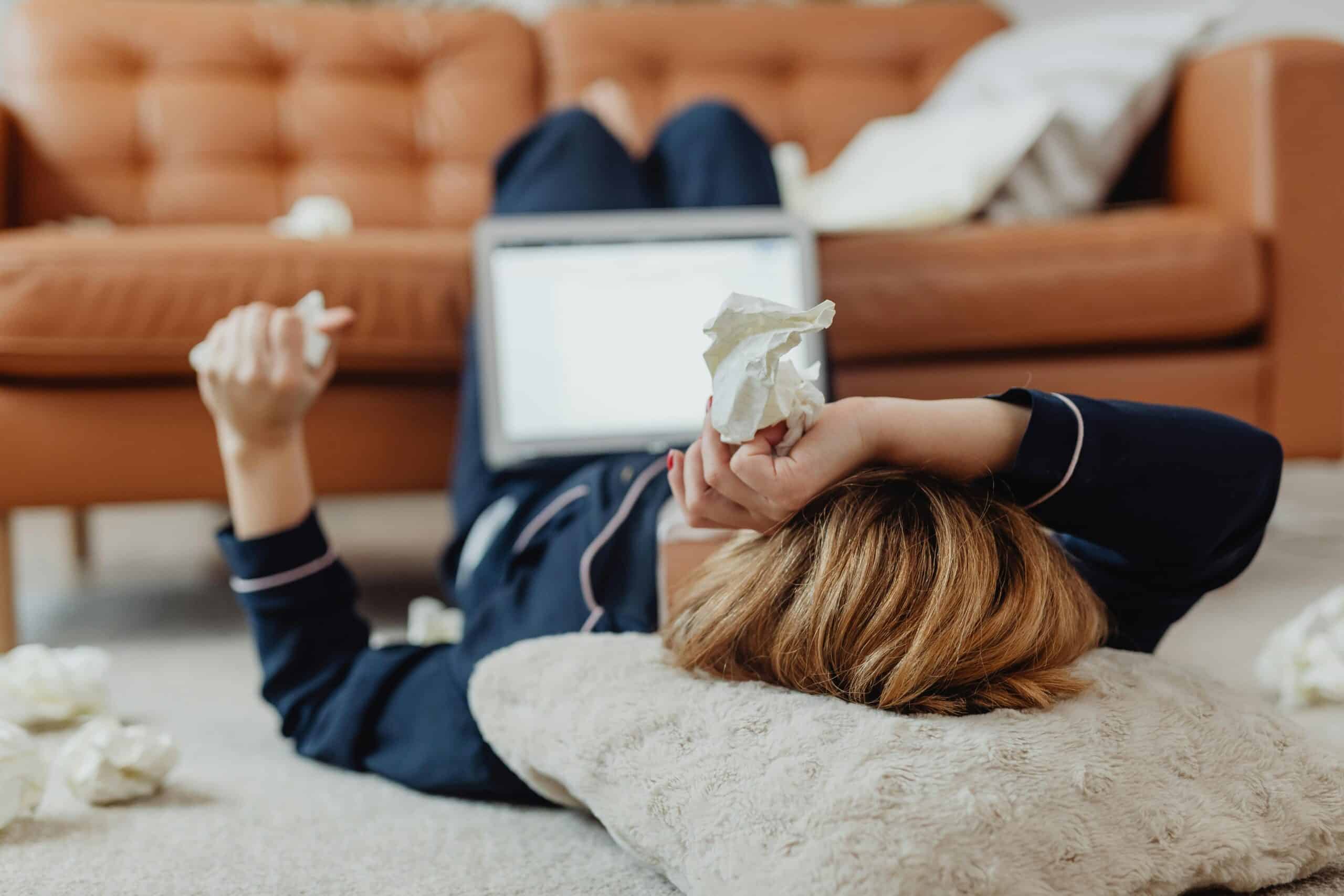
And that is where the problem really starts. Every time someone walks across the carpet, drops onto the couch, or even just moves around the room, those trapped particles get agitated and released back into the air. From there, they are easily inhaled, landing on skin, settling into bedding, and generally making life harder for anyone who suffers from allergies, asthma, or other respiratory conditions.
Perth’s climate adds another layer to this issue. Our warm, dry summers and relatively mild winters create conditions where dust and pollen are present in the air for much of the year. Homes that have windows open regularly to let in the breeze are also letting in a steady stream of airborne allergens that settle straight into carpet fibres.
It is also worth noting that even clean-looking carpets can harbour significant allergen loads. Because so much of what accumulates in carpet sits below the surface, beneath the tips of the fibres and down into the backing, it is essentially invisible to the naked eye. A carpet can look perfectly fine and still be contributing meaningfully to the allergy symptoms in your household.
This is exactly why working with reliable Perth carpet cleaning experts matters so much. Surface-level cleaning simply does not reach the layers where allergens accumulate most heavily. Addressing the problem properly requires equipment and expertise that go well beyond what a standard household vacuum can achieve.
Regular professional cleaning is not just about appearances. For households where someone suffers from allergies, asthma, eczema, or other sensitivities, it is genuinely a health measure, one that can make a noticeable difference to daily comfort and wellbeing.
The Most Common Carpet Allergens You Should Know About
Understanding what is actually living in your carpet can be a real eye-opener. Most homeowners are surprised to learn just how many different allergen sources can be present in even a well-maintained home. Here is a closer look at the main culprits.
Dust Mites
Dust mites are arguably the most significant carpet allergen for most households. These microscopic creatures feed on the dead skin cells that humans and animals shed constantly throughout the day. Carpets provide the perfect environment for them; warm, sheltered, and full of food. A single gram of carpet dust can contain thousands of dust mites, and it is not the mites themselves that trigger allergies but their waste products and body fragments, which become airborne and are easily inhaled.
Pet Dander
If you share your home with a cat, dog, or other furry companion, pet dander is almost certainly present in your carpets. Dander consists of tiny flecks of skin shed by animals, and it is extremely lightweight, meaning it stays airborne for long periods before settling back down into carpet fibres. Even homes that no longer have pets can still carry dander in the carpet for months after an animal has left the space.
Pollen
Pollen is a seasonal allergen for many people, but inside the home it can be a year-round presence in carpets. It is tracked in on shoes and clothing, carried in through open windows and doors, and once it settles into carpet fibres, it does not simply disappear when the season changes. Pollen accumulates over time, and without regular deep cleaning, it can build up to levels that trigger ongoing symptoms even when outdoor pollen counts are low.
Mould and Mildew Spores
Carpets that have been exposed to moisture, whether from a spill, high humidity, or a leak, can develop mould and mildew growth within the fibres and backing. Mould spores are a potent allergen and can cause symptoms ranging from sneezing and runny eyes to more serious respiratory reactions. Even low levels of mould growth can be problematic for sensitive individuals, and because it often develops out of sight in the lower layers of the carpet, it can go undetected for a long time.
Bacteria and Other Irritants
Beyond the biological allergens, carpets also accumulate bacteria, chemical residues from cleaning products, and volatile organic compounds (VOCs) from various household sources. While not allergens in the traditional sense, these irritants can exacerbate sensitivity in people who already have compromised respiratory systems or skin conditions.
Knowing what you are dealing with makes it much easier to understand why a genuine deep clean is so important. To properly eliminate dust and allergens from carpets, you need more than a quick vacuum; you need a method that reaches into the layers where these particles have settled and removes them completely.
How Professional Carpet Cleaning Tackles Allergens
This is where the real difference between a professional clean and a DIY approach becomes very clear. Regular vacuuming is a valuable habit; it picks up surface debris and helps slow the accumulation of particles in the upper layers of the carpet. But it has real limitations when it comes to allergen removal.
Most household vacuums, even good quality ones, do not generate enough suction to reach deep into the carpet pile and backing where the majority of allergen build-up occurs. Some vacuums can actually make things worse by disturbing particles without fully capturing them, releasing allergens back into the air in the process. This is particularly true of older machines or those without quality filtration systems.
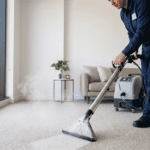
Professional hot water extraction, the method we use most frequently, works on an entirely different level. Here is how it addresses allergens specifically:
Heat. The hot water used in the extraction process reaches temperatures that are lethal to dust mites and bacteria. This is not something a vacuum or a dry surface clean can replicate.
Pressure. High-pressure water injection drives the cleaning solution deep into the carpet fibres and backing, dislodging particles that have been embedded over months or years of accumulation.
Extraction. Powerful suction then pulls the water back out along with everything it has loosened, dust mites, dander, pollen, mould spores, bacteria, and other irritants, removing them from the carpet entirely rather than simply redistributing them.
Professional filtration. The equipment used by professional cleaners is designed to capture what it extracts, preventing particles from being released back into the air during the cleaning process itself.
The result is not just a carpet that looks and smells better, it is one that genuinely contains far fewer allergens than it did before. For households where allergy sufferers live, that translates directly into fewer symptoms, easier breathing, and a more comfortable home environment.
Beyond hot water extraction, professional cleaners also have access to specialised treatments for specific allergen concerns. Anti-allergen carpet treatments, for example, can be applied after cleaning to help neutralise allergen proteins and reduce their ability to trigger reactions. These are options that a standard DIY approach simply cannot replicate.
We genuinely love being able to bring your carpets back to life, not just in terms of how they look, but in terms of what they are contributing to the overall health of your home. A well-cleaned carpet is a genuinely healthier carpet, and that matters far more than most people realise.
The Health Benefits of Regular Carpet Cleaning
The connection between clean carpets and better health goes beyond simply reducing allergen counts. There are several ways that regular professional cleaning contributes to the overall well-being of everyone in your home.
Fewer Allergy and Asthma Symptoms
This is the most direct benefit. When allergen levels in the carpet are reduced through thorough professional cleaning, the amount of airborne allergens circulating through the home drops as well. For people who suffer from hay fever, allergic rhinitis, asthma, or eczema, this can mean noticeably fewer flare-ups, less reliance on antihistamines, and an overall improvement in day-to-day comfort. Children and the elderly, who often spend more time at home and closer to floor level, tend to benefit the most.
Better Sleep Quality
Allergens do not stay in the carpet. They circulate through the air and settle onto bedding, pillows, and mattresses. Reducing the allergen load in your carpets means less migration of particles into sleeping areas, which can translate into fewer nighttime symptoms, less congestion, less sneezing, and more restful sleep for the whole household.
A Healthier Environment for Children and Pets
Young children spend a significant amount of time on the floor, playing, crawling, and rolling around in ways that put them in very close contact with whatever is living in the carpet fibres. The same goes for pets. Regular professional cleaning creates a much safer surface environment for both, reducing their exposure to bacteria, mould spores, and chemical residues that can cause skin irritation and respiratory issues.
Mental Wellbeing and a Sense of Comfort
There is a psychological dimension to a clean home that is easy to underestimate. Living in a space that feels genuinely clean and fresh has a real impact on mood, stress levels, and overall sense of comfort. For people who already deal with health challenges like chronic allergies or asthma, removing one of the contributing factors from their home environment can bring a meaningful sense of relief and control. A clean carpet contributes to a home that feels like a proper sanctuary, somewhere you can actually relax.
How Often Should You Have Your Carpets Professionally Cleaned?
This is one of the questions we are asked most regularly, and the honest answer is that it varies depending on your household situation. There is no universal rule that suits every home, but there are some solid guidelines that can help you work out the right frequency for your circumstances.
For a typical household without pets and without anyone who suffers from allergies or respiratory conditions, an annual professional deep clean is generally considered sufficient to maintain carpet hygiene and appearance. This keeps allergen levels manageable and prevents the kind of long-term soiling build-up that becomes progressively harder to address.
However, many Perth households fall outside that baseline, and for them, more frequent cleaning is genuinely worthwhile:
- Allergy or asthma sufferers. If anyone in the household has diagnosed allergies, asthma, or other respiratory sensitivities, cleaning every six months is a much more appropriate target. Keeping allergen levels consistently low is far more effective than allowing them to build up and then addressing them reactively.
- Pet owners. Homes with cats, dogs, or other animals that shed should consider professional cleaning every six to twelve months, depending on the number of animals and how much access they have to carpeted areas. Pet dander accumulates quickly, and the odours associated with pets also respond well to professional treatment.
- Households with young children. Families with babies or toddlers who spend time on the floor benefit from more frequent cleaning, given the direct contact children have with carpet surfaces.
- High-traffic areas. Hallways, living rooms, and staircases that see heavy daily use will accumulate soiling and allergens faster than bedrooms or formal areas. These spaces may need attention more often, even if the rest of the home is on an annual schedule.
Seasonal timing is also worth considering in Perth specifically. Cleaning carpets in spring, when outdoor pollen counts are at their peak, can be particularly beneficial for allergy sufferers. Similarly, having carpets cleaned heading into the cooler months, when homes are closed up and air circulation is reduced, can help maintain better indoor air quality during the period when you are spending the most time inside.
If you are not sure where your household sits or you would like personalised advice, thinking about when to book carpet cleaning services is a great starting point. Getting a professional assessment of your carpets’ condition is the most reliable way to determine what they need and how often.
Your Health Starts at Floor Level
Could something as straightforward as a professional carpet clean genuinely change how you feel at home every day?
For many Perth families, the answer is yes. Carpets carry far more than meets the eye, and the allergens buried deep in those fibres have a real impact on the health and comfort of everyone in the house.
At MagicDry, we have been helping Perth households breathe easier since 2013, earning a WOMO award every year for the quality and consistency of our work. If your carpets are overdue for some proper attention, we would love to help.
Other articles you may
be interested in